Future AI: The Shape of Things to Come

The future of industrial AI will not just be determined by how intelligent our applications become, it will also be determined by how intelligently we connect the enterprise, writes Shaun Wright, CEO of BKO AI.
AI can’t manage what it can’t see: Unlocking intelligence from existing facility Scans

Industrial facilities are producing an ever-growing pool of potentially useful data, but capturing that data is not the same as fully understanding it. Tyler Wooten, CEO and Co-Founder of FocisAI, explains how advances in spatial AI are helping to bridge the gap between reality capture and operational intelligence.
From engineering data to actionable industrial AI
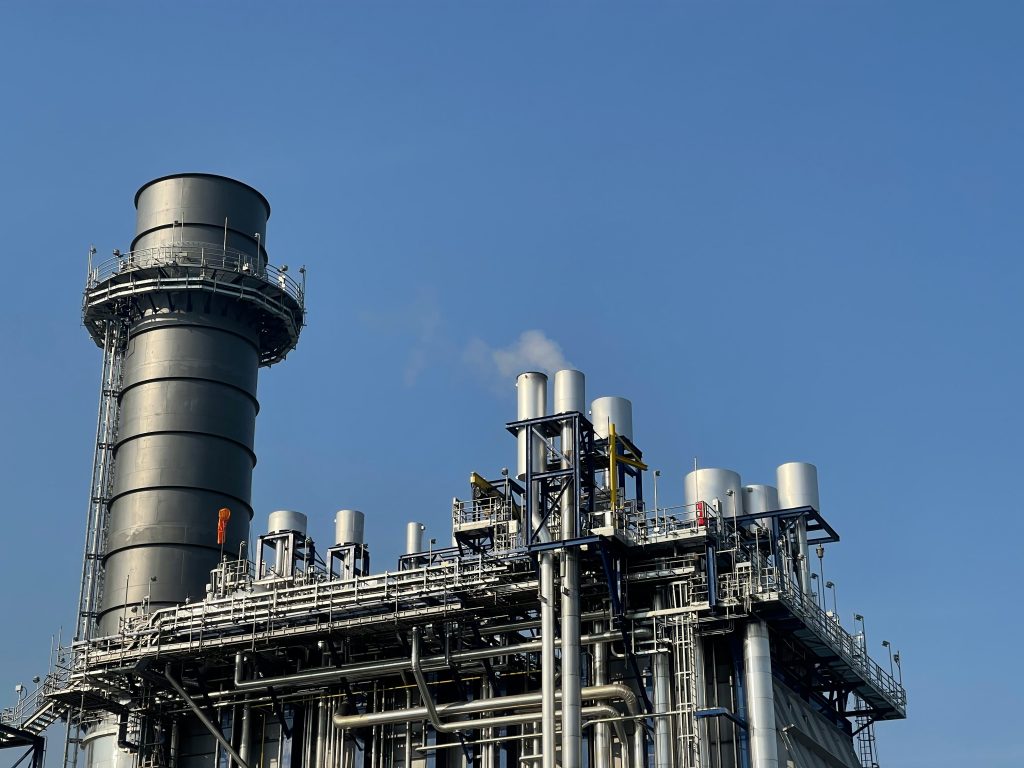
Most industrial AI projects succeed or fail not because of the sophistication of the AI, but because of the quality and structure of the engineering data underneath it, writes Derek Middlemass, CEO of DIGATEX.
The Missing Layer in Enterprise Digital Transformation: Physical Context
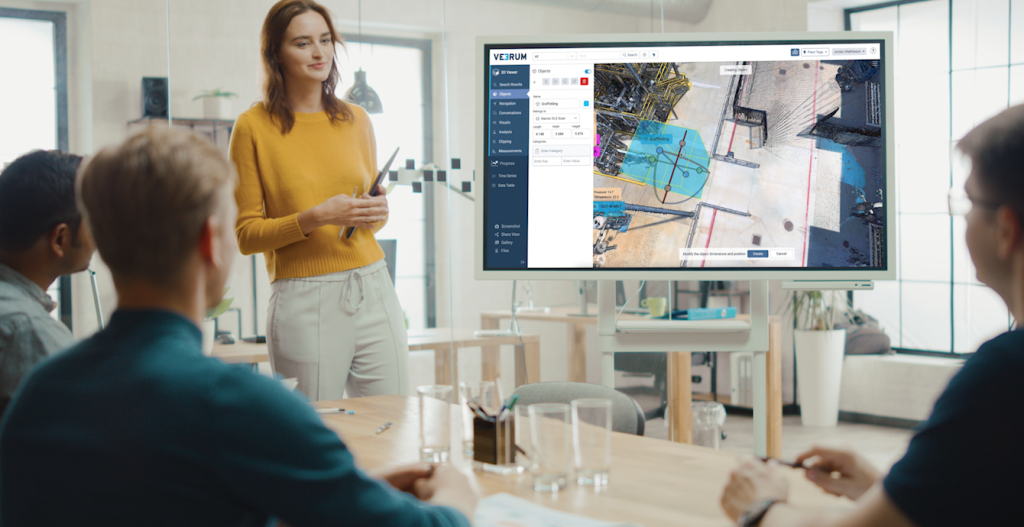
Information used to understand and manage physical assets is typically fragmented across systems, teams, projects and sites. Providing physical context for that data is vital if costly digital innovations are to be scaled up successfully, says Meaghan Snethlage, VP, Business Development at VEERUM.
When AI Moves Faster Than Understanding

AI can turn a conversation into an application concept in minutes. But as the engineering accelerates, a fresh challenge emerges: how to help people understand, question and agree on what has been created. Steve Higgon, CEO and founder of TAAP, looks at solutions.
The Digital Twin’s Blind Spot: Inspection Evidence
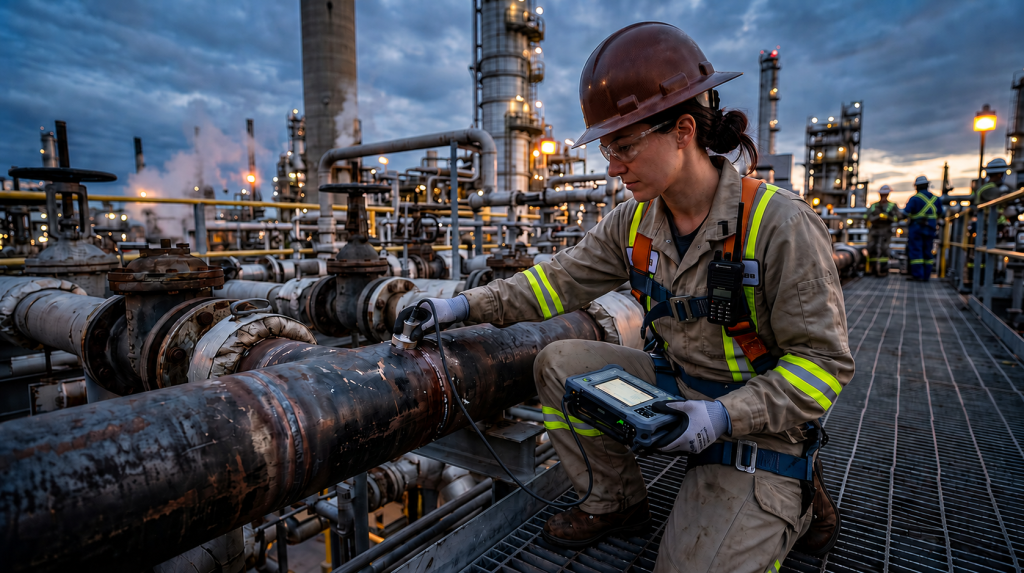
AI-ready asset integrity is not just about adding another dashboard. It depends on connecting NDT images, wall thickness data, and component context, says Peter Rosiepen, CEO and Co-Founder of DIMATE GmbH.
Future Digital Twin & AI event draws record attendance to Shell’s ETCA
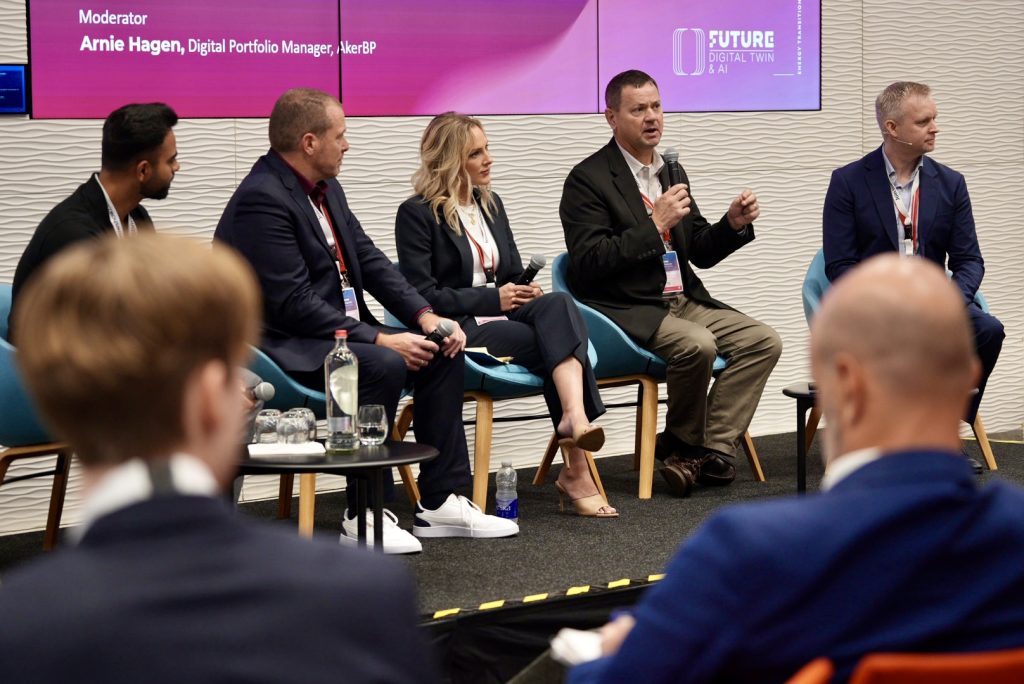
Thought leaders and technology experts driving the transformation of the energy industry shared their insights at the latest Future Digital Twin & AI 2025 conference, held at Shell’s Energy Transition Campus Amsterdam (ETCA) on 3-4 September.
Expert View: From pilot to enterprise impact, AI Is reshaping energy operations at scale

Energy companies are now seeking to move beyond pilots to integrate AI into their workflows. This is vital if they are to remain competitive, but it is a complex task. Joseph Alenchery, SVP & Business Head- Energy Next at Infosys explains the steps involved in overcoming the challenges.
AI and the Engineering of Uncertainty

AI can just make poor information easier to consume if the source data is uncertain, disconnected or missing context. Avoiding that outcome requires disciplined data capture, sound engineering interpretation, and a trusted integrity record that can support future decisions, says Calum MacLean, Projects Director at FPSO integrity and repair management specialists Marine Technical Limits.
Readiness has two parts – most organisations only build one
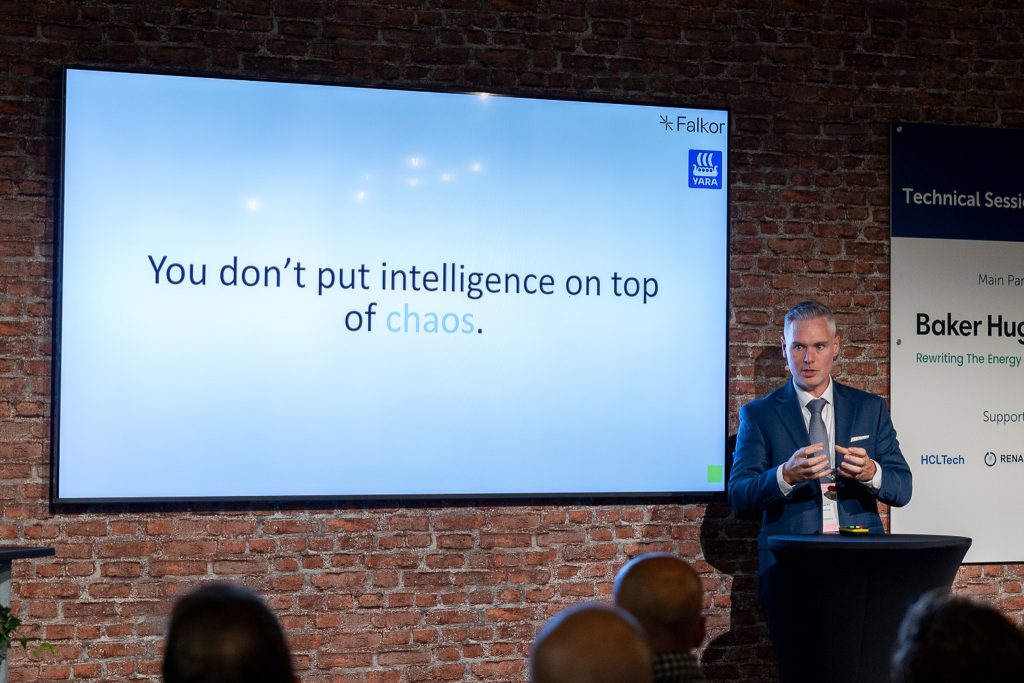
The most useful test of AI readiness is not whether AI makes the old processes faster, though it will, but whether the time it frees up gets reinvested in the work only your best people can do, writes Shane McArdle, CEO and President of Falkor.