Artificial intelligence deployment is now gaining traction in many areas of the energy sector, but the industry is falling behind others when it comes to attracting AI-skilled workers, the International Energy Agency (IEA) said in a new jobs report.
In its World Energy Employment 2025 report, the Paris-based agency said AI and other emerging technologies were increasingly being regarded as valuable tools within the energy sector. AI was already being applied to improve administrative efficiency, improve worker safety, and improve fault detection.
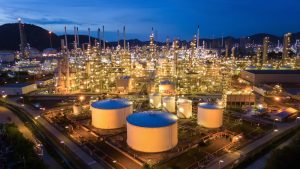
In extreme operating environments, such as oil refineries or nuclear plants, AI-driven systems were helping to predict equipment failures, reducing the likelihood of accidents and manual interventions. Meanwhile, virtual reality training modules were reducing the time and costs of doing onsite training, especially in high-risk areas such as offshore oil, gas and wind, the authors said.
A survey of 400 energy companies for the report found the top two long-term benefits anticipated from AI adoption were improved administrative efficiency, such as speeding up permitting processes, and improved quality output, such as real-time monitoring of power grid performance.
However, the IEA found that firms across utilities, oil, gas, and mining lag other sectors in artificial intelligence capabilities, estimating that between 2018 and 2024 concentrations of AI-skilled workers were about 40% lower than in technology, finance, education and media.
“While other industries have moved quickly to attract and integrate AI expertise, energy-adjacent sectors have struggled to keep pace,” the authors said.
The report identified a series of barriers that were slowing progress in developing digital literacy.
It found energy companies often struggled to compete with tech and finance firms on salary and benefits, making it difficult to attract the best talent. In the US and Canada, entry-level salaries were on average 30% higher in the technology sector than in energy companies for the four key areas of software engineering, data science, machine learning, and hardware engineering.
The authors also reported that many organisations lacked well defined AI strategies or use cases, making it harder to justify investments in new roles or capabilitiesl They also said there were sometimes limited opportunities for training existing staff with the required AI-related skills.
AI’s overall impact on the workforce in the energy sector has yet to be seen, according to the report.
“While automation may reduce labour required for specific tasks and costs of certain functions, most companies cite increased productivity and improved quality as the primary benefits of AI,” the authors said.
The use of AI tools had changed the nature of work in some occupations, requiring individuals and organisations to rethink job roles. To that end, the IEA noted that some companies were successfully partnering with universities or technology providers to deliver targeted training programmes, while others were investing in internal platforms to build digital capabilities across their workforce.
Job creation
IEA Executive Director Fatih Birol said the energy sector as a whole, which includes all forms of power production and distribution, had been one of the strongest and most consistent engines of job creation in the global economy over recent years that had been marked by significant uncertainties.
“This momentum cannot be taken for granted. The world’s ability to build the energy infrastructure it needs depends on having enough skilled workers in place. Governments, industry and training institutions must come together to close the labour and skills gap. Left unaddressed, these shortages could slow progress, raise costs and weaken energy security,” he said.
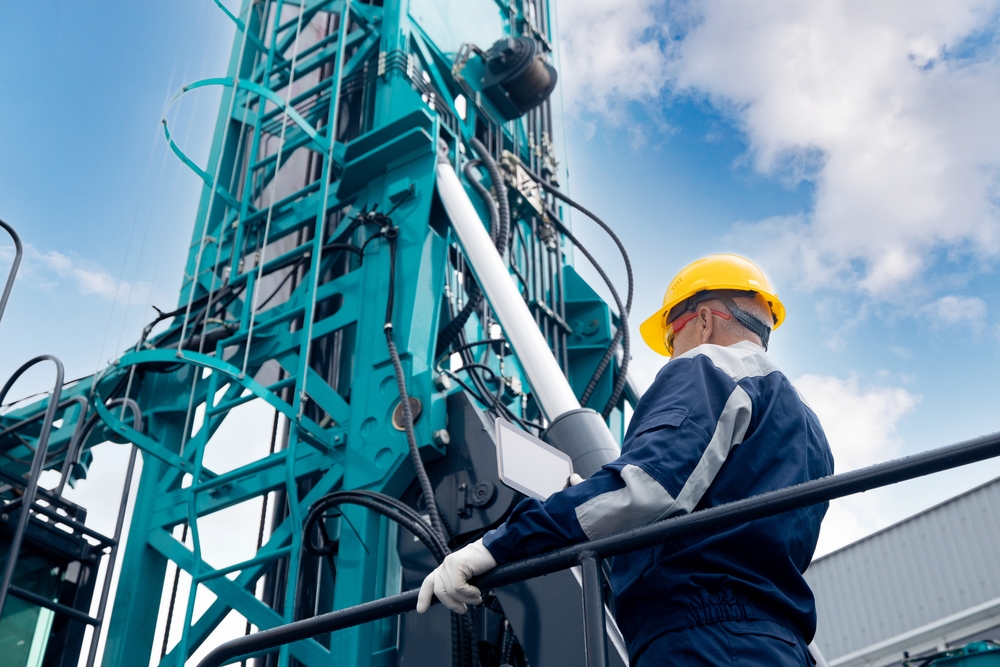
Figures in the report for the oil and gas supply sector showed a 2% annual growth in employment in 2024, but the IEA said job levels remained below pre-Covid pandemic levels. Most additional oil and gas jobs were underpinned by the development of wells and supporting infrastructure. The IEA’s data showed that around one-third of the workforce was involved in the development of new production capacity, such as drilling, infrastructure installation and mechanical assembly.
(Photo: Shutterstock)